

Our work
Before & After
Restoration and colourisation are difficult to describe and easy to show. Drag the handle on any image below to move between the original and the finished work. Every photograph on this page is a real job, shown with the owner's permission.
Colourisation
A monochrome photograph holds no colour information at all - it records how bright each surface was, not what colour it was. Everything you see on the right is a decision: kit and strip colours researched, skin and hair judged, then built up in layers that keep the original tonal range intact. Automatic tools average their way to a plausible palette; this is the part they cannot do.
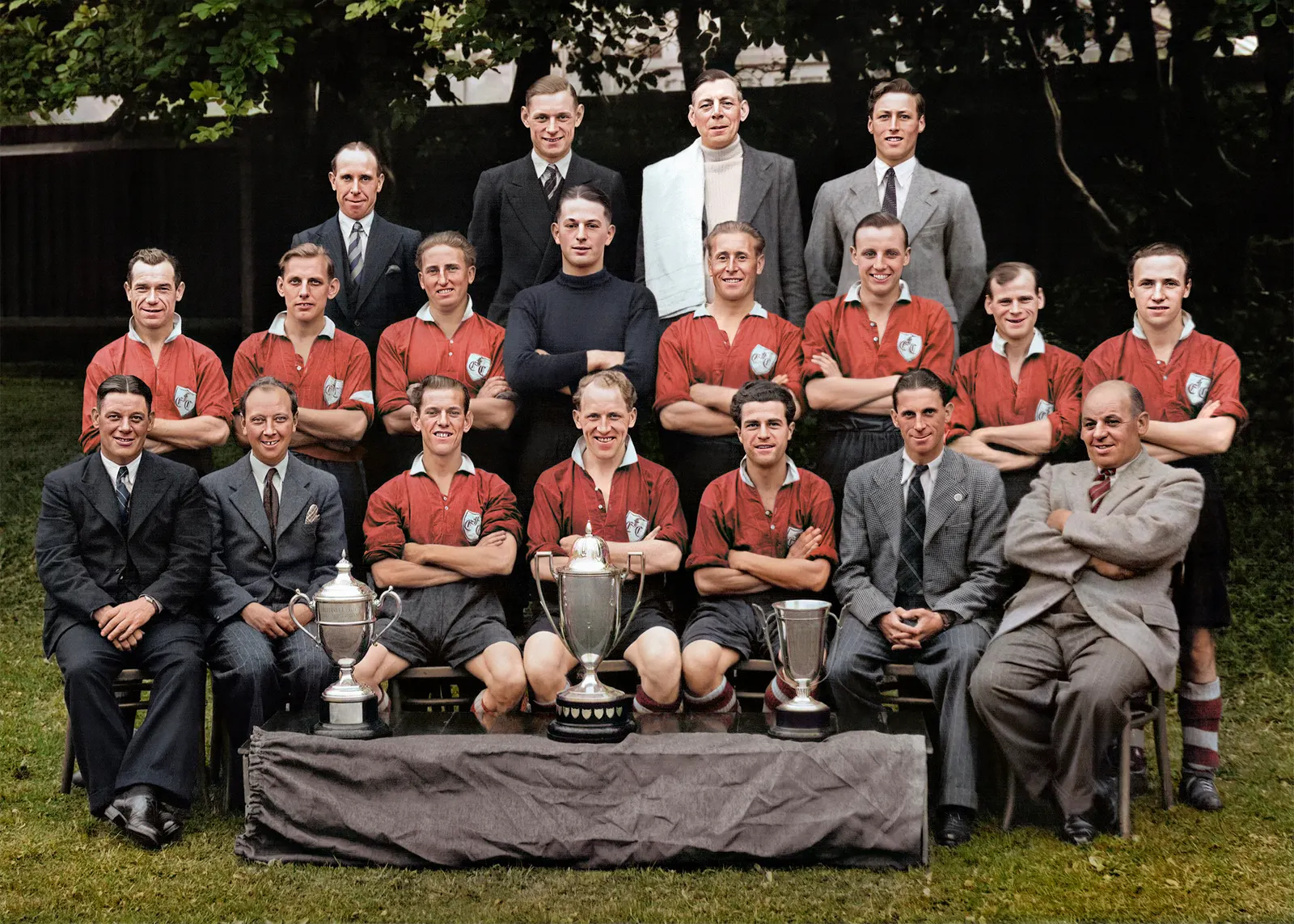
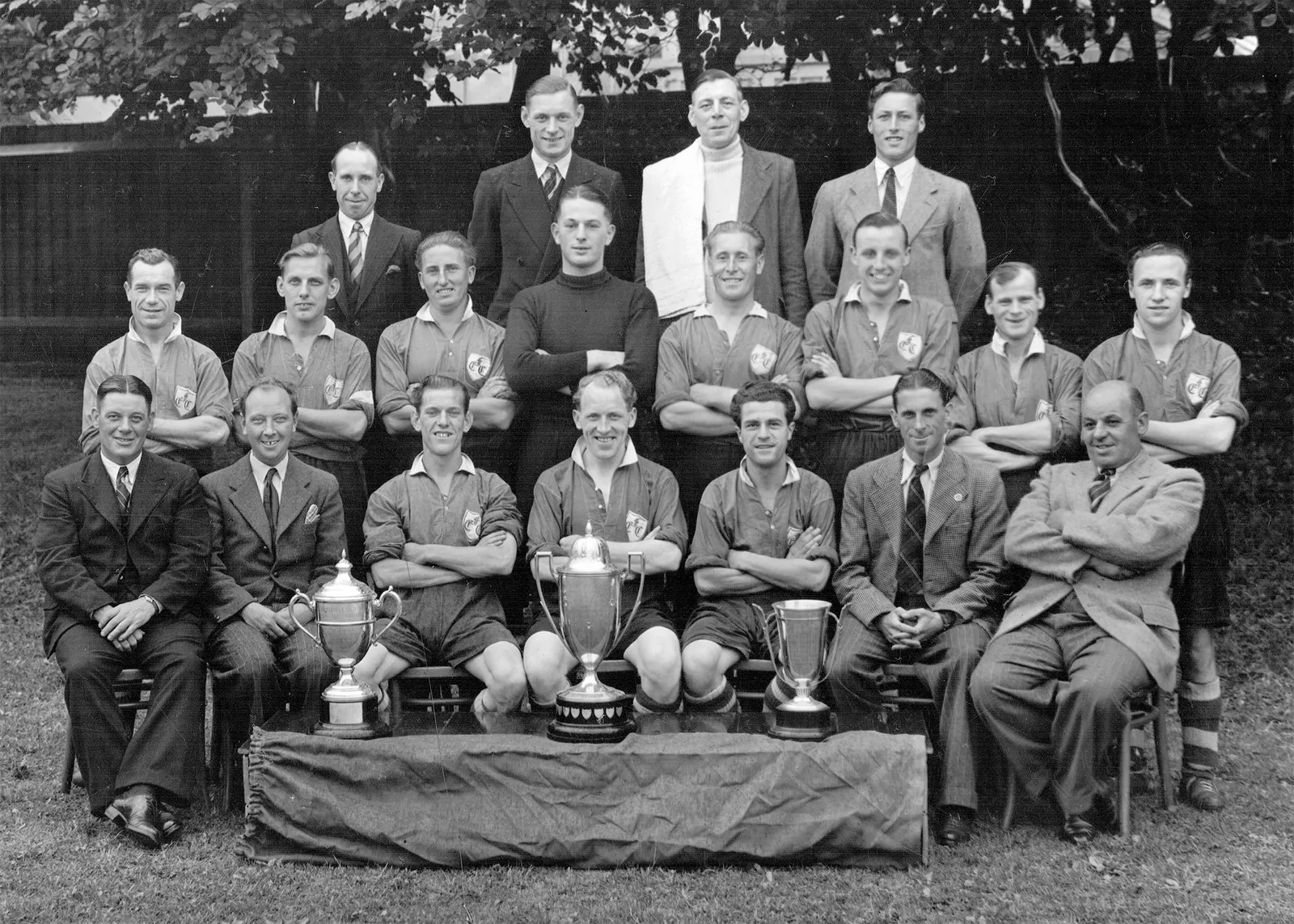
Club team photograph, hand colourised from the original black-and-white print.
Restoration and retouching
Age leaves its own marks: dust and surface spotting, a tonal cast that has drifted over decades, and edges that have picked up damage in storage. Here the blemishes are gone, the tone is brought back, and a figure crowding the left edge has been removed so the family reads clearly. The original was never touched - all of it happens on an archival scan.
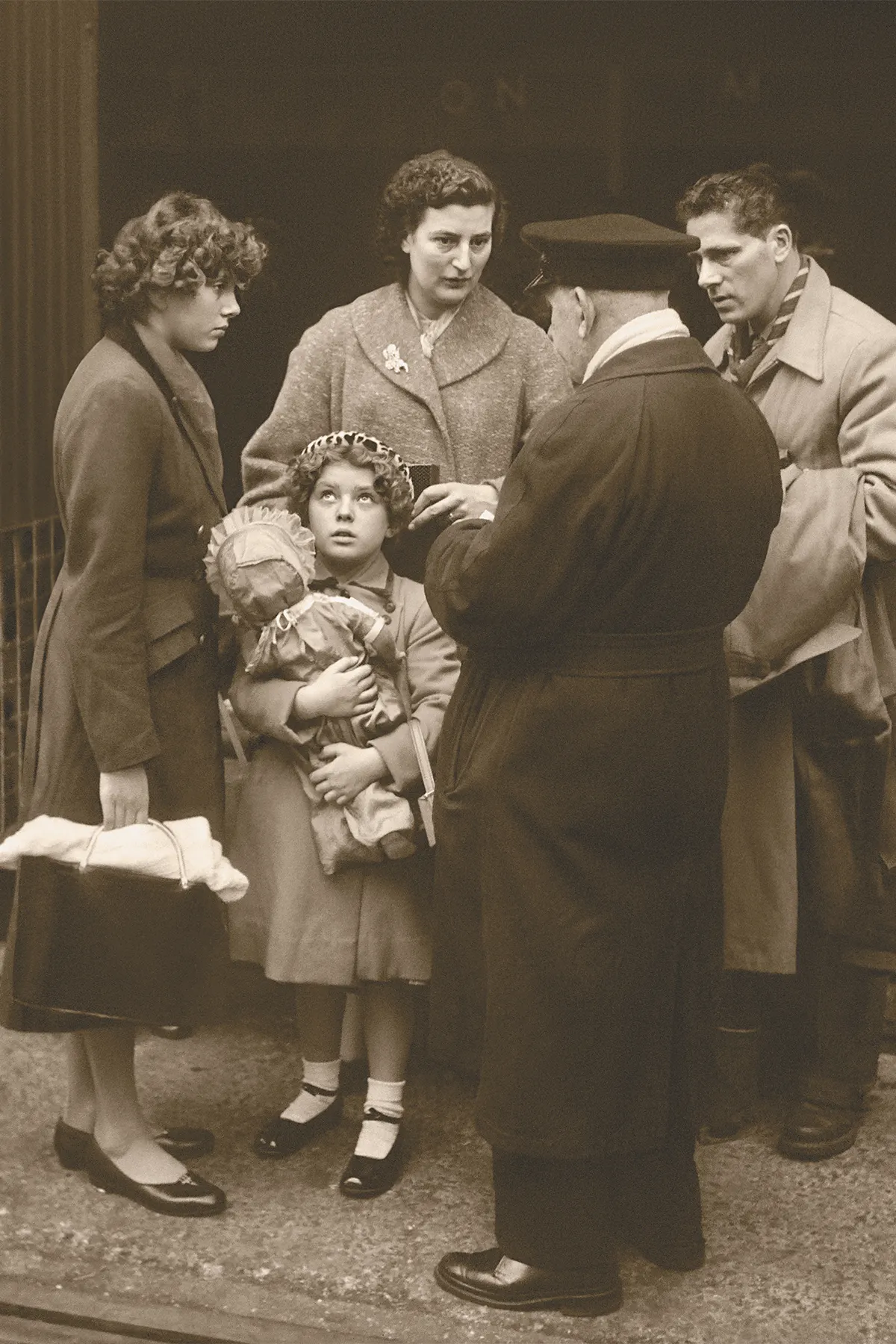
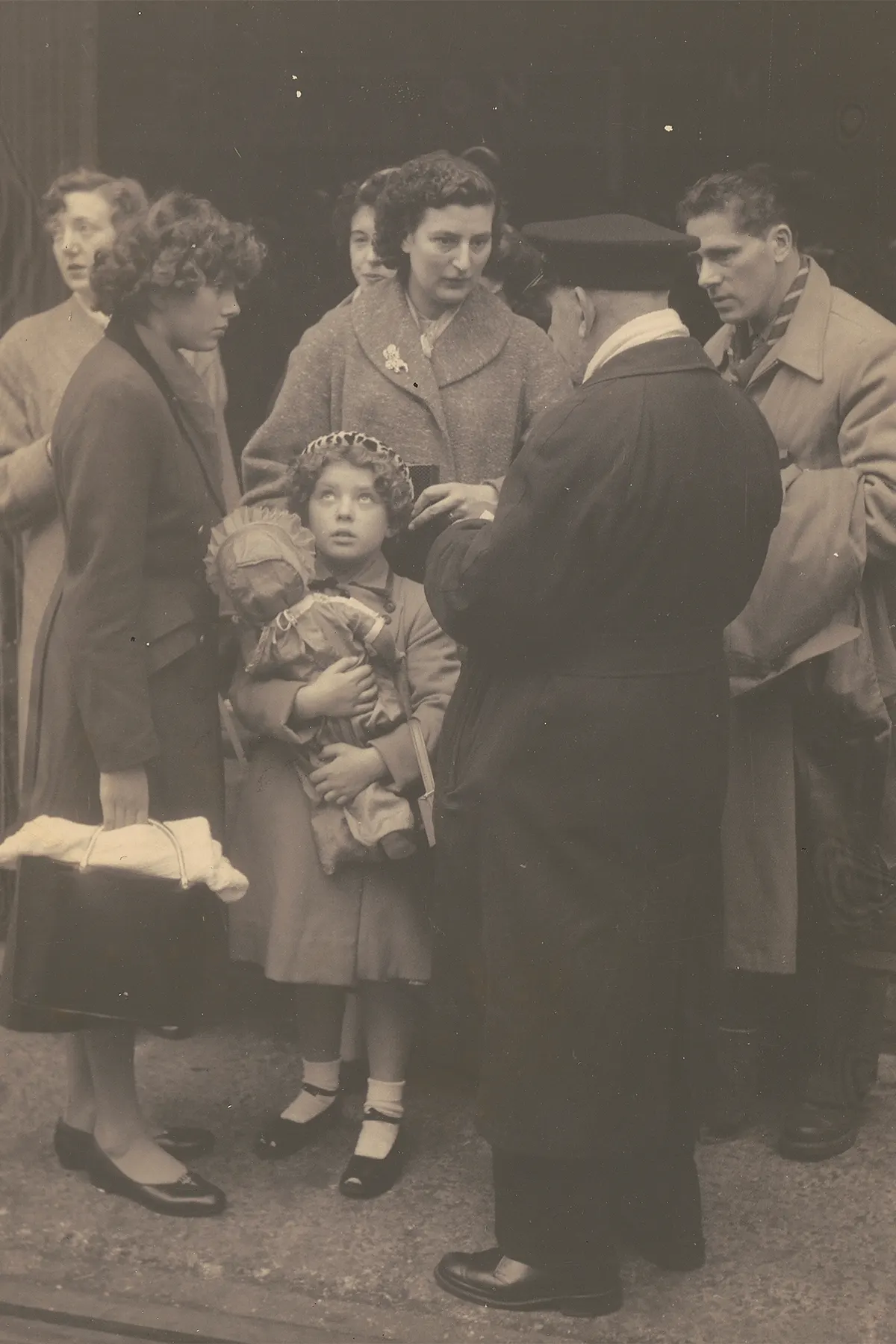
Family photograph, cleaned and tonally restored from a faded original.
More from the bench
Two more, at the sizes they are usually seen. The same principle applies to both: the original goes home untouched, and the repair exists as a file you can print whenever you need to.
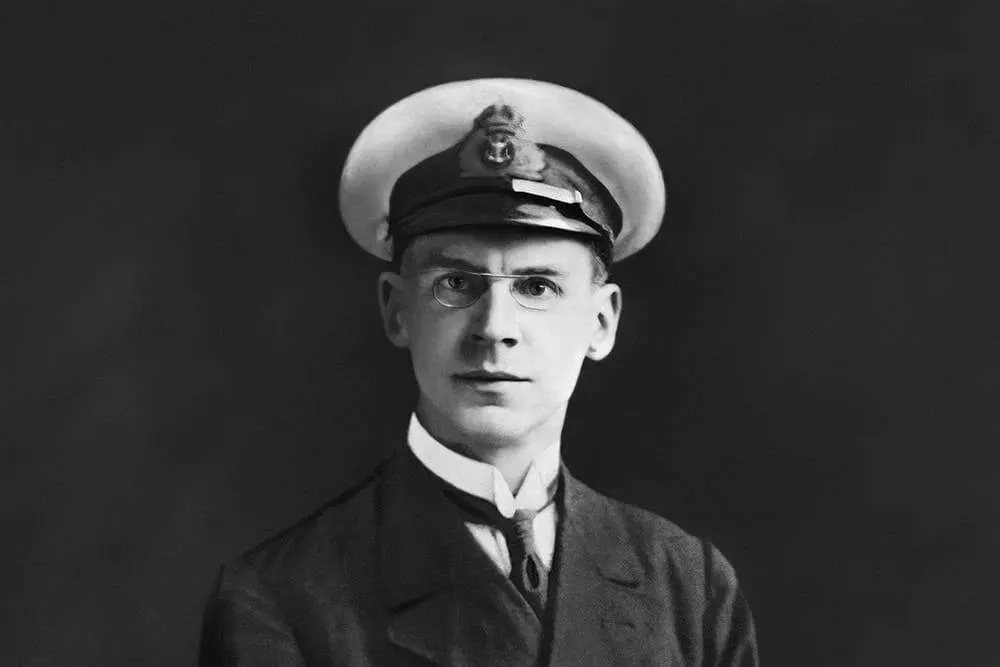
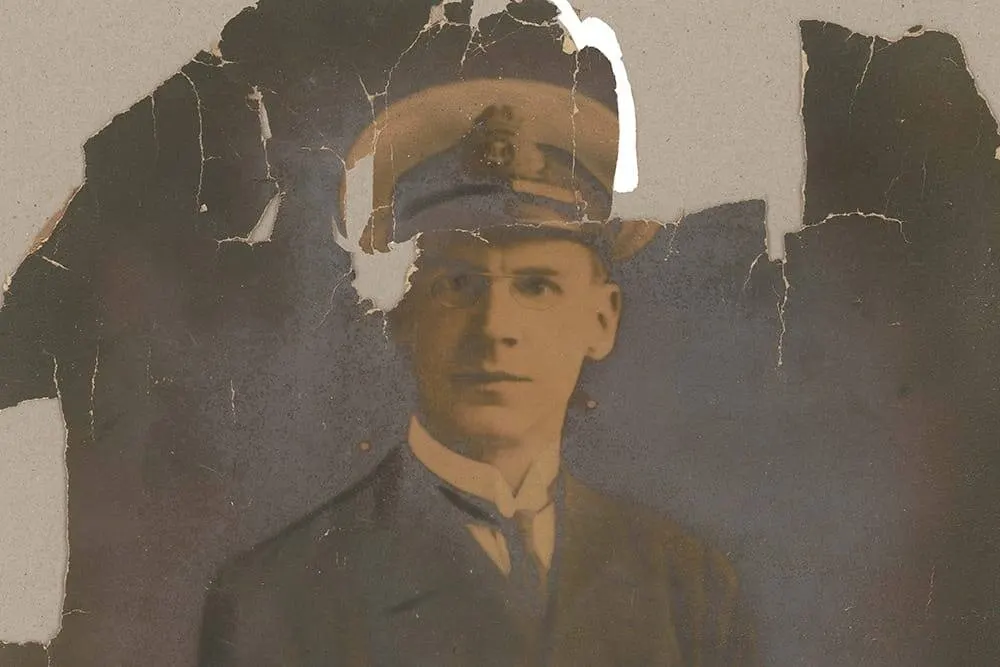
Photo restoration
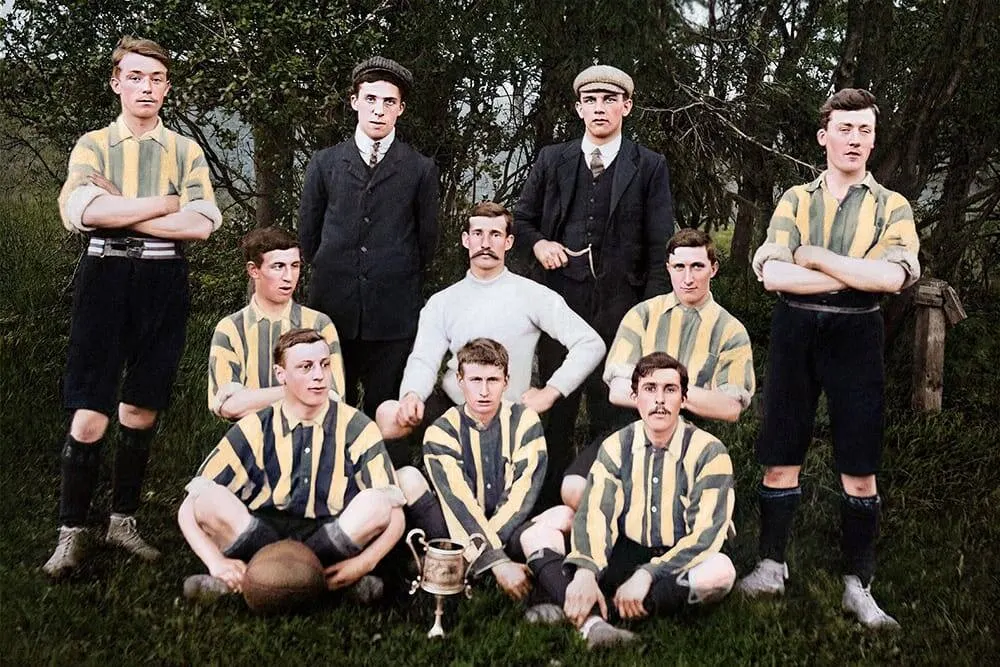
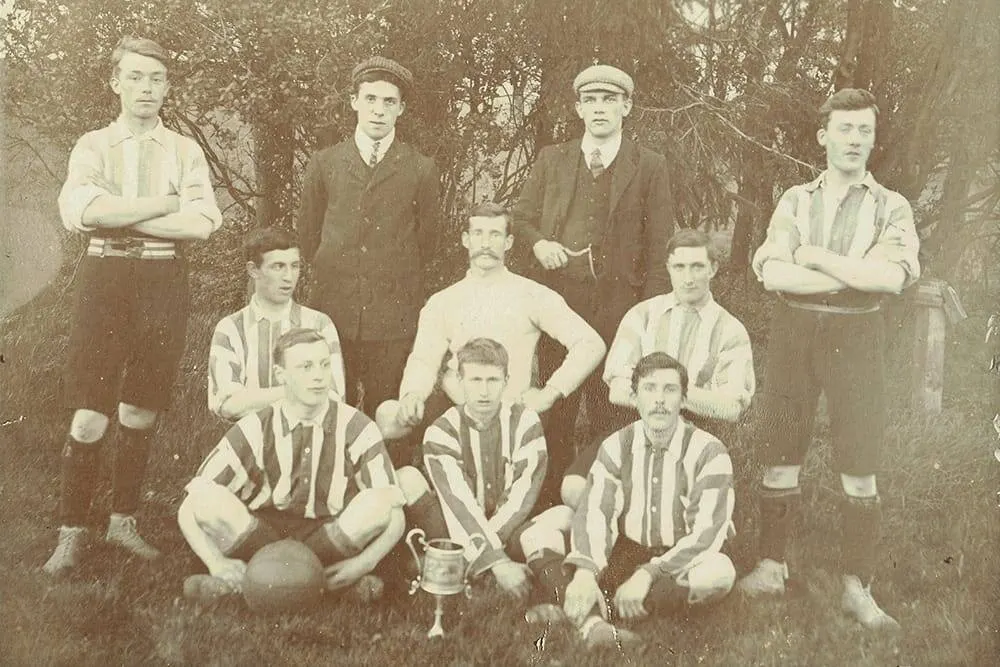
Photo colourisation
What these images are, and what they are not
Every pair on this page is one photograph, captured once and worked on digitally. The left-hand side is an archival scan of the original exactly as it arrived; the right-hand side is the same scan after a digital artist has worked on it. Nothing has been re-photographed, swapped or substituted, and no original was treated, cleaned or mended to get there.
That matters for what you can expect from your own photograph. The results here were achievable because enough of the original survived to work from - a legible face, a tonal range that had not collapsed entirely, damage that had not taken the image with it. Where a photograph has lost that information, we say so at the quote rather than after.
If you want to know what yours would take, the restoration estimator will give you an indicative figure from a photo of it, or bring it into the Fyshwick studio and we will tell you what we can see in it.
Have one like these?
Send us a photo of it for an indicative price, or book a drop-off and bring the original in.
Canberra's Canson & Hahnemühle Certified Fine Art Print Studio
Lucent Imaging is Canberra's only Canson and Hahnemühle certified fine art print studio. Our giclée print process is independently reviewed and validated to ensure consistent colour accuracy and archival quality on every print. (Canson: AU-12609 | Hahnemühle: 260582)

A carbon neutral studio
We believe in building a sustainable, future-focused business that invests in our team, our clients, our community and our environment. Our fine art print and archival digitisation studio is carbon neutral.
Our Sustainability Story